
When Should You Visit an Orthopedic Doctor? Early Signs You Should Not Ignore
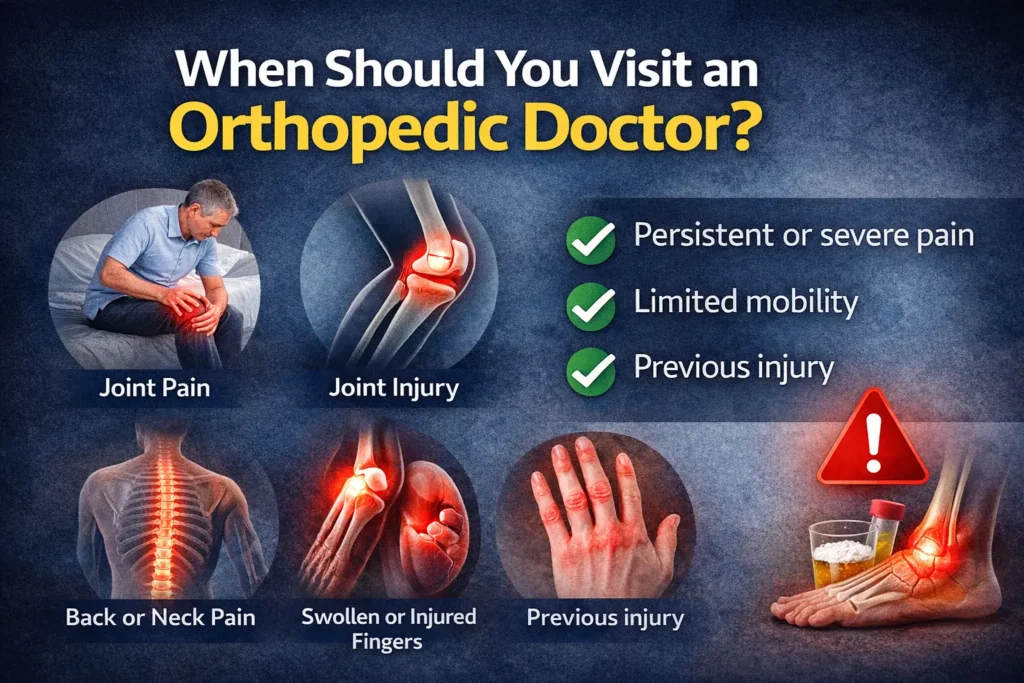
Joint pain and musculoskeletal discomfort are often dismissed as temporary problems caused by daily activity, aging, or minor strain. While some aches resolve on their own, persistent symptoms involving the bones, joints, muscles, or ligaments can indicate an underlying orthopedic condition that requires medical attention.
Orthopedic doctors specialize in diagnosing and managing disorders of the musculoskeletal system. Recognizing early warning signs and seeking timely evaluation can help prevent long-term joint damage, reduced mobility, and unnecessary surgical intervention.This article explains the key symptoms that indicate it may be time to consult an orthopedic doctor and why early care matters—often the same signs that experienced specialists like Dr. Kamal Kishor Gupta evaluate to prevent long-term joint and mobility problems.
What Does an Orthopedic Doctor Treat?
An orthopedic doctor treats conditions affecting the body’s movement system, which includes bones, joints, tendons, ligaments, and muscles. These conditions may result from injury, overuse, degeneration, or structural abnormalities.
Common orthopedic problems include:
- Joint pain and stiffness
- Sports-related injuries
- Arthritis and degenerative joint disease
- Fractures and trauma
- Ligament and cartilage injuries
- Postural and movement-related disorders
An experienced orthopedic specialist evaluates not only the symptoms but also the patient’s lifestyle, activity level, and long-term functional goals before recommending treatment.
Persistent Pain That Does Not Improve
Pain is the most common indicator of an orthopedic issue. While short-term muscle soreness is usually harmless, pain that continues or worsens should not be ignored.
When Pain Becomes a Concern
- Pain lasting longer than a week
- Pain that increases despite rest or medication
- Pain that occurs during sleep or at rest
- Pain that interferes with walking, lifting, or daily tasks
Persistent pain may indicate conditions such as arthritis, ligament injuries, cartilage damage, or stress fractures. Early evaluation allows appropriate management before the condition progresses.
Swelling in Joints or Limbs
Swelling is a visible sign that often points to inflammation or internal injury. It may develop suddenly after trauma or gradually due to ongoing joint problems.
Common Causes of Swelling
- Ligament or tendon injuries
- Meniscus or cartilage damage
- Arthritis-related inflammation
- Undiagnosed fractures
Swelling that recurs, worsens, or is associated with warmth and redness should be assessed by an orthopedic doctor to determine the underlying cause.
Joint Stiffness and Limited Flexibility
Stiffness in joints—especially in the morning or after periods of inactivity—can affect mobility and quality of life. While mild stiffness can be normal, prolonged or worsening stiffness may indicate joint disease.
Warning Signs of Problematic Stiffness
- Stiffness lasting more than 30–60 minutes
- Difficulty bending or straightening joints
- Reduced ability to perform routine movements
Conditions such as osteoarthritis, frozen shoulder, and early joint degeneration commonly present with stiffness as an early symptom.
Reduced Range of Motion
A noticeable decrease in how far or freely a joint can move is a significant orthopedic sign. This often develops gradually and may go unnoticed until daily activities become difficult.
Examples of Reduced Movement
- Difficulty raising the arm overhead
- Pain or restriction while squatting or climbing stairs
- Limited neck or back rotation
Restricted motion can result from inflammation, structural damage, or long-standing joint wear. Timely orthopedic assessment can help restore function and prevent permanent limitations.
Joint Instability or a Feeling of “Giving Way”
Instability refers to a sensation that a joint may slip, buckle, or fail to support the body. This is commonly associated with ligament injuries.
Common Causes of Instability
- Anterior cruciate ligament (ACL) tears
- Meniscus injuries
- Ankle ligament damage
Ignoring joint instability can lead to repeated injuries and accelerated joint degeneration. In such cases, early evaluation by an experienced orthopedic surgeon is important, and conditions involving ligament instability may benefit from assessment by an arthroscopic and sports injury surgeon in Lucknow to determine the most appropriate treatment approach.
Sports Injuries and Repetitive Stress
Athletes and physically active individuals are at higher risk of orthopedic injuries. What begins as mild discomfort can progress into a more serious condition if left untreated.
Early Signs of Sports-Related Injuries
- Pain after physical activity
- Swelling following exercise or sports
- Decreased strength or performance
Common sports injuries include ligament tears, shoulder instability, tennis elbow, and stress fractures. Proper diagnosis and rehabilitation are essential for safe return to activity.
After an Injury or Accident
Falls, road accidents, or sudden trauma should always be evaluated carefully, even if pain appears manageable initially.
Red Flags After Injury
- Inability to bear weight
- Visible deformity
- Severe or increasing pain
- Numbness or tingling
Self-treatment without proper diagnosis can result in improper healing and long-term complications.
How Orthopedic Conditions Are Diagnosed
Accurate diagnosis is essential for effective treatment. Orthopedic evaluation typically includes:
- Physical examination and movement assessment
- Imaging studies such as X-rays or MRI scans
- Review of activity patterns and medical history
This comprehensive approach helps identify the exact cause of symptoms and guides appropriate treatment planning.
Non-Surgical Treatment Options
Many orthopedic conditions can be managed without surgery, especially when detected early.
Common Non-Surgical Treatments
- Medications for pain and inflammation
- Physiotherapy and strengthening exercises
- Activity modification and lifestyle changes
Advanced Conservative Therapies
- Injection-based treatments such as PRP
- Bracing or joint support devices
These approaches aim to reduce pain, restore function, and slow disease progression.
When Surgery May Be Required
Surgery is generally considered when conservative treatments fail or when structural damage is severe.
Situations Where Surgery Is Recommended
- Complete ligament ruptures
- Advanced joint degeneration
- Persistent symptoms affecting daily life
Modern orthopedic surgery often uses minimally invasive techniques, allowing faster recovery and improved outcomes.
Why Early Orthopedic Evaluation Matters
Seeking timely orthopedic care can:
- Prevent worsening of joint damage
- Reduce recovery time
- Improve long-term mobility and function
- Lower the risk of complex surgical procedures
Listening to early warning signs and consulting a qualified orthopedic professional helps maintain joint health and overall quality of life.
Final Thoughts
Pain, swelling, stiffness, limited movement, and joint instability are not symptoms to ignore. They often signal underlying orthopedic issues that respond best to early intervention. Awareness and timely medical evaluation play a key role in preserving mobility and preventing long-term complications.