Appointments
Depending on your concern, we consider your condition and health. Same-day reservation may be offered.
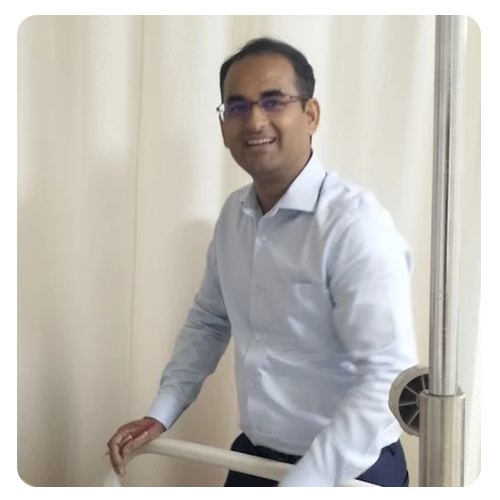
Meet Dr. Kamal Kishor Gupta
I have 12+ years of experience in all types of bone and joint problems treatment. Dr. Kamal Kishor Gupta is one of the well-respected orthopedic doctors in India, treating patients from different cities and many states.
Patient-first orthopedic care
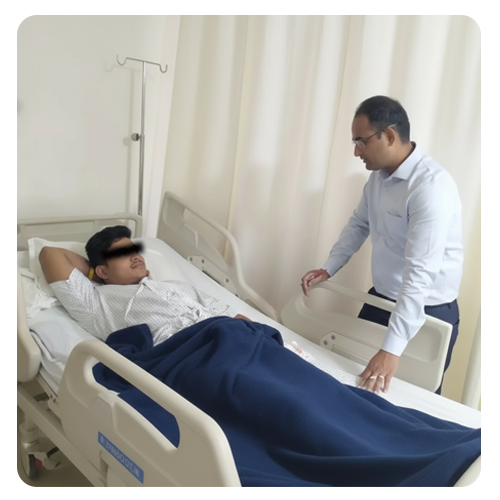
He always takes the time to listen to his patients' problems and carefully examine them. He is expert in complicated joint surgeries and bone-related injuries.
Dr. Kamal Kishor Gupta provides different types of orthopedic treatments to help patients achieve better health and mobility.
MRI REVIEW PROCESS
Not sure if you need surgery? Not ready to travel yet? Send your MRI to Dr. Gupta on WhatsApp. He is one of the most experienced orthopedic doctors in India and will review your scans personally — giving you a clear, honest answer. Free of charge. Thousands of patients from Delhi, Kanpur, and across North India use this service every year.
Take photos of your MRI scans or save the report as a PDF. Send it directly to Dr. Gupta on WhatsApp. No login, no registration, no fee.
Dr. Gupta personally reviews your MRI and medical history. You get a clear, honest response within 24 to 48 hours — in simple language, not medical jargon.
Based on Dr. Gupta's review, you will know exactly whether surgery is needed, what type, and what to expect. Then book your appointment and travel to Lucknow when you are ready.
From total knee replacement to ACL reconstruction and shoulder surgery — all procedures performed at Apollomedics Super Speciality Hospital, Lucknow.
Full range of knee replacement options for arthritis and joint damage at any stage.
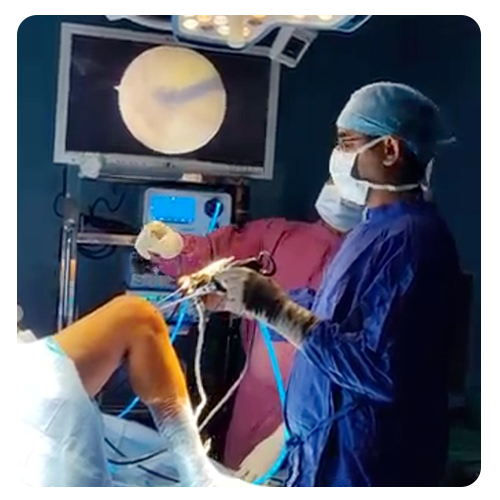
Comprehensive arthroscopic surgery for sports-related knee injuries — back to activity faster.
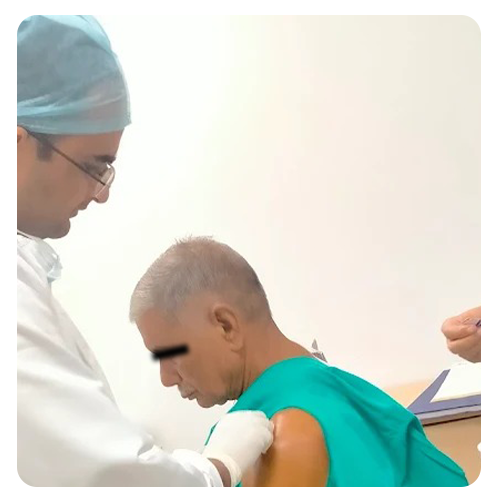
Expert arthroscopic shoulder surgery for instability, cuff tears, and sports injuries.
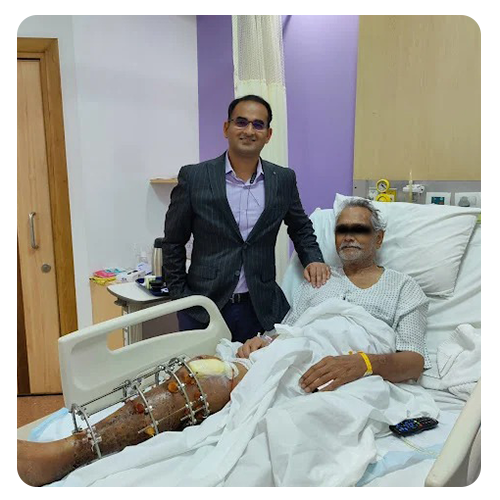
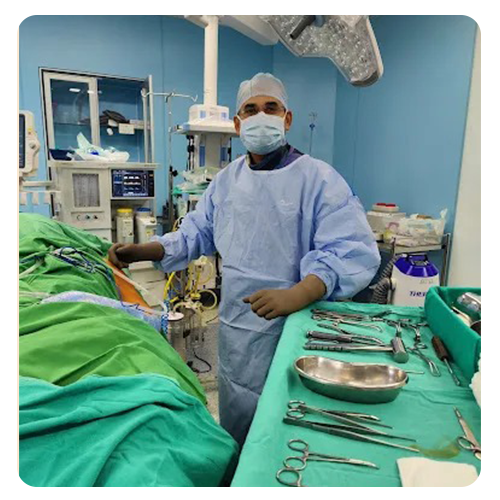
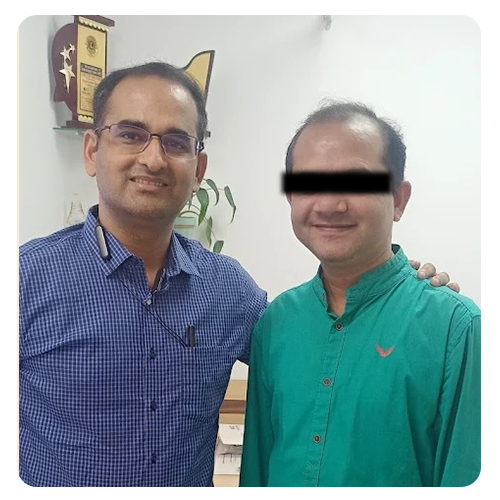
About Dr. Kamal Kishor Gupta
Professional Experience
Dr. Kamal Kishor Gupta is a clinical expert in total knee replacement, partial knee replacement, hip replacement, shoulder replacement, joint-sparing surgery, arthroscopy, meniscal transplant, cartilage injury, and sports injury management.
Why Choose Us
Dr. Kamal Kishor Gupta has built a strong reputation for orthopedic expertise and patient care.

Depending on your concern, we consider your condition and health. Same-day reservation may be offered.
An orthopedic surgeon focused on specific body-part needs is the best choice for many patients.
With Doctor 24x7 you are always ready to speak with an experienced and qualified specialist.
Care for joint pain, sports injuries, arthritis, and other orthopedic conditions.
Modern medical facilities and advanced diagnostic tools support accurate and efficient diagnosis.
The clinic prioritizes patient comfort, satisfaction, and careful listening.
Most patients are back to normal life within 3 months. Here is exactly what to expect, day by day.
Day 1 – 2
Surgery done — rest and monitor
You wake up in the ward. Pain is managed with medicines. Most patients can stand with support on Day 1 itself.
Day 3 – 7
First steps with support
You start walking with a walker. Physiotherapy begins. Most patients go home by Day 4 or 5.
Week 2 – 4
Walking improves daily
You can climb stairs slowly. Swelling reduces. You stop using the walker and switch to a stick.
Month 2 – 3
Back to normal activities
You can walk freely, cook, drive, and do light work. Most patients feel 80% better by this stage.
Month 6+
Full recovery
Complete recovery. You can live a normal, pain-free life. Many patients say they wish they had done it sooner.
Every patient recovers differently. Dr. Gupta personally monitors your recovery at every stage. You are never alone in this journey.

Blogs
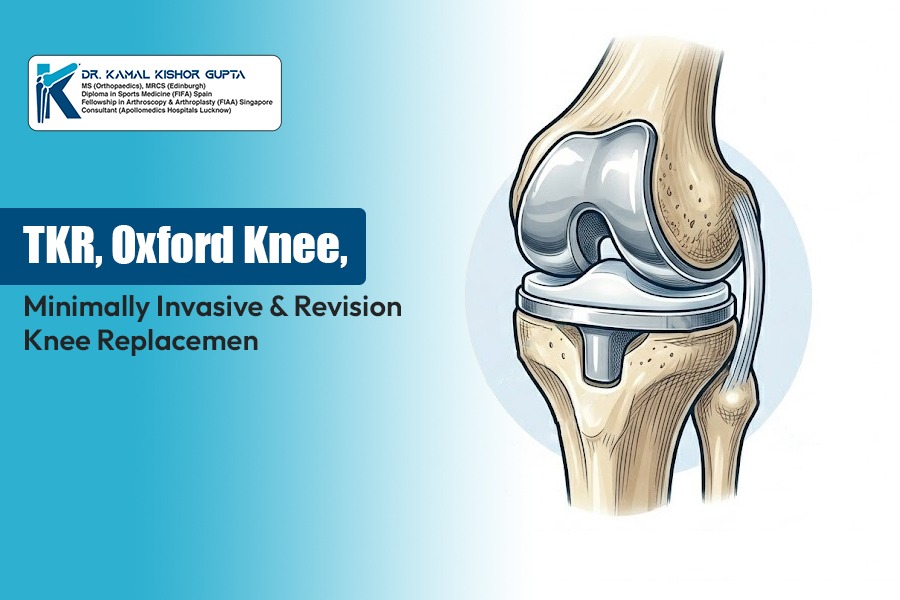
Explore TKR, Oxford Knee, MIS & Revision Knee Replacement...
Read More →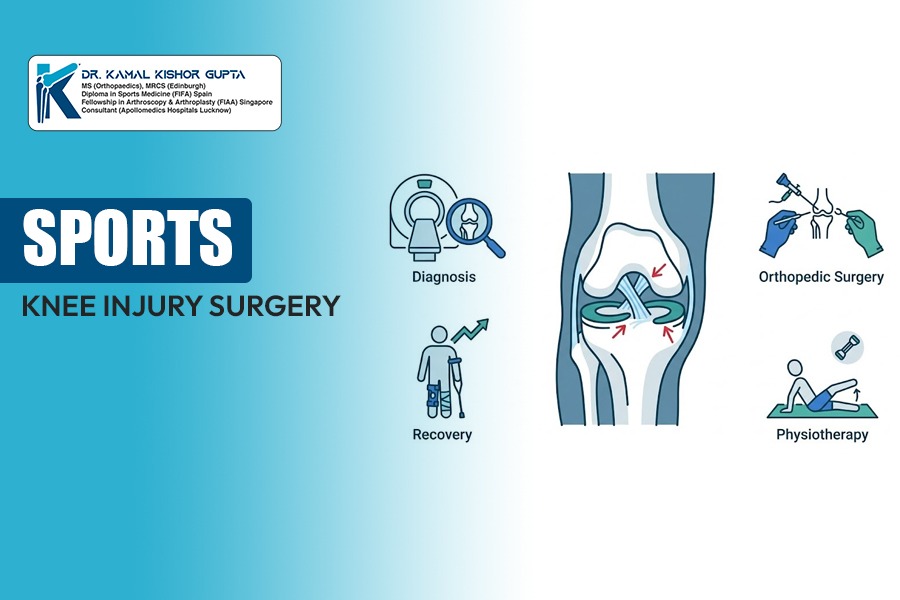
Get expert treatment for ACL, PCL, meniscus and cartilage injuries...
Read More →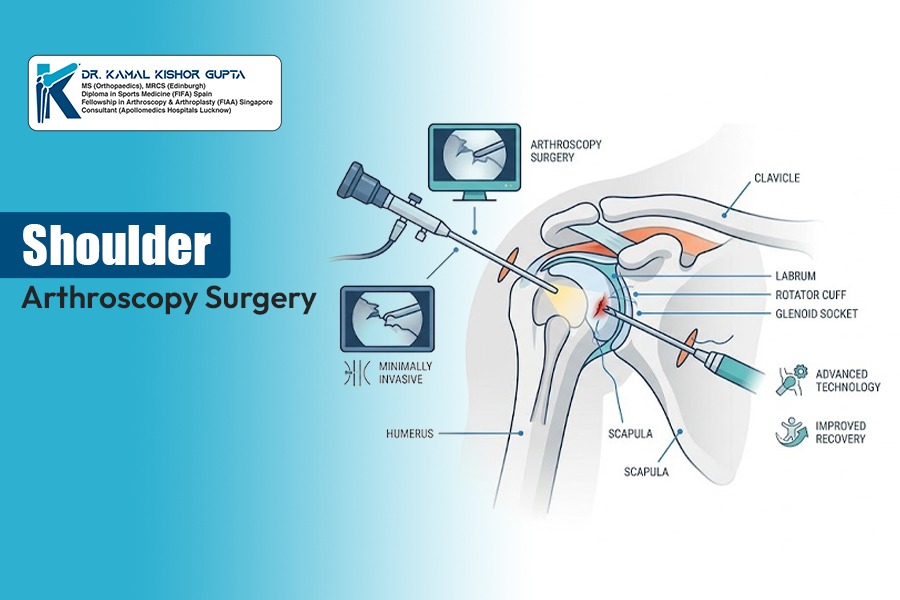
Get advanced shoulder arthroscopy treatment by Dr. Kamal Kishor Gupta...
Read More →Book An Online Appointment
Our team will contact you shortly to schedule an appointment at your convenience.

Online • Orthopedic Care Support